Hoodies Fabric Guide: GSM, Fleece Types, Cotton & Performance Blends Selecting the right fabric is paramount when sourcing high-quali...
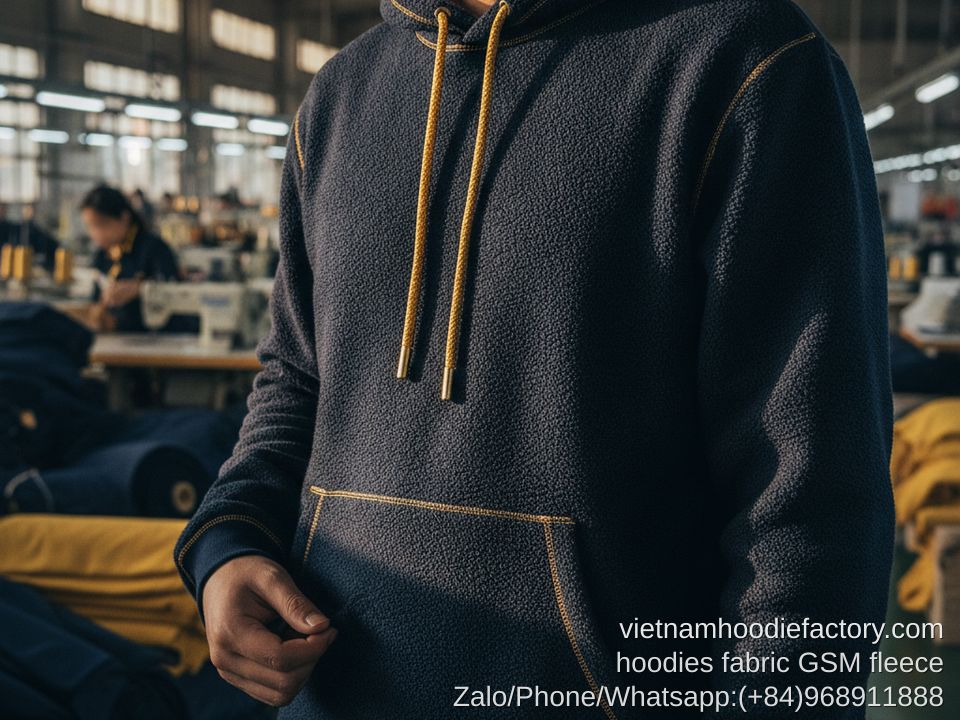
Hoodies Fabric Guide: GSM, Fleece Types, Cotton & Performance Blends
Selecting the right fabric is paramount when sourcing high-quality hoodies for your brand. The material directly impacts the garment's feel, durability, warmth, and aesthetic. Understanding key fabric characteristics, particularly hoodies fabric GSM fleece, will empower you to make informed decisions that align with your brand's vision and customer expectations. This comprehensive guide will delve into the intricacies of hoodie fabrics, from weight and weave to composition, helping you navigate the choices available from leading manufacturers like Vietnam Hoodie Factory, operated by Gold Garment.
At Vietnam Hoodie Factory, we understand that the foundation of a great hoodie lies in its fabric. Our commitment to quality, coupled with our extensive experience in Vietnam textile sourcing, allows us to offer a diverse range of materials tailored to meet the demands of global brands. We work closely with our clients to ensure their custom hoodies not only look exceptional but also feel and perform precisely as intended. This detailed exploration of fabric types is designed to equip you with the knowledge needed to partner effectively with a reliable manufacturer.
Understanding Fabric Weight: The Significance of GSM
One of the most critical metrics in determining hoodie fabric quality is GSM, which stands for Grams per Square Meter. This measurement indicates the weight of the fabric per unit of area. A higher GSM generally signifies a denser, heavier, and often warmer fabric, while a lower GSM suggests a lighter, more breathable material.
The GSM Spectrum for Hoodies
- Lightweight (150-250 GSM): Ideal for transitional weather or as a layering piece. These fabrics are breathable and comfortable for active wear or milder climates.
- Midweight (250-350 GSM): This is the sweet spot for most standard hoodies, offering a good balance of warmth, durability, and comfort. It’s versatile enough for everyday wear.
- Heavyweight (350+ GSM): Perfect for colder climates or brands seeking a premium, substantial feel. These fabrics provide superior warmth and a luxurious drape.
When discussing hoodies fabric GSM fleece, understanding this range is your first step. A 300 GSM fleece hoodie will offer a different experience and price point than a 200 GSM one. This hoodie GSM guide is crucial for setting expectations regarding warmth, drape, and overall perceived quality.
Exploring Fleece Types for Ultimate Comfort
Fleece is perhaps the most popular fabric for hoodies, renowned for its soft texture and excellent insulating properties. However, not all fleece is created equal. The type of fleece used significantly impacts the hoodie's feel and performance.
Types of Fleece Fabrics
- 100% Cotton Fleece: This is a natural and breathable option, known for its softness and hypoallergenic qualities. It’s a classic choice for comfortable, everyday hoodies. Cotton fleece can be prone to shrinkage if not pre-shrunk during manufacturing.
- Polyester Fleece: Synthetic, polyester fleece is highly durable, resistant to stretching and shrinking, and dries quickly. It offers excellent warmth and can be very soft, often mimicking the feel of natural fibers.
- Cotton-Polyester Blends: Combining cotton and polyester offers the best of both worlds. These blends provide the softness and breathability of cotton with the durability, wrinkle resistance, and quick-drying properties of polyester. This is a very common and effective choice for custom hoodies.
- Sherpa Fleece: A thicker, plushier type of polyester fleece that resembles sheep's wool. It's exceptionally warm and often used for linings or as the primary fabric for extremely cozy, winter-weight hoodies.
- Microfleece: A very lightweight and fine polyester fleece. It's highly breathable and excellent for layering, offering warmth without excessive bulk.
The choice between different fleece types depends on the desired feel, warmth, and maintenance requirements. For instance, a brand prioritizing natural fibers might opt for 100% cotton, while a performance-oriented brand might lean towards a high-quality polyester blend.
Cotton vs. Polyester: A Detailed Comparison
The debate between cotton and polyester is a common one in apparel manufacturing. Each fiber offers distinct advantages and disadvantages, making the choice critical for achieving specific product goals.
Cotton Hoodies
- Pros: Extremely soft, breathable, hypoallergenic, natural feel, good for sensitive skin, absorbs moisture well.
- Cons: Can shrink significantly if not treated, takes longer to dry, can be heavier when wet, may stretch out over time.
Polyester Hoodies
- Pros: Durable, resistant to stretching and shrinking, quick-drying, wrinkle-resistant, retains color well, often more affordable.
- Cons: Less breathable than cotton, can feel less natural, may pill over time, not as absorbent.
Understanding the nuances of fleece vs cotton hoodies is essential. Many of our clients opt for blends, such as a 60% cotton/40% polyester composition, to leverage the benefits of both fibers. This balance often results in a hoodie that is soft, durable, and easy to care for, hitting the mark for many consumers. You can learn more about the manufacturing process and material considerations in our guide on How hoodies Are Made: Complete Manufacturing Process Step-by-Step. Vietnam textile sourcing.
Performance Blends: Functionality Meets Fashion
For brands targeting active lifestyles or consumers who value technical features, performance fabric hoodies are an excellent choice. These materials are engineered to offer enhanced functionality, such as moisture-wicking, quick-drying capabilities, and four-way stretch.
Common Performance Fabric Components
- Moisture-Wicking Polyester: Specialized polyester fibers are designed to pull sweat away from the body to the fabric's surface, where it can evaporate quickly, keeping the wearer dry and comfortable.
- Spandex/Elastane: Added in small percentages (typically 2-10%), spandex provides stretch and recovery, allowing the hoodie to move with the wearer without losing its shape. This is crucial for athletic or dynamic uses.
- Nylon: Known for its strength, durability, and abrasion resistance, nylon can be incorporated into blends to enhance the fabric's lifespan and resilience.
- Rayon/Modal: These semi-synthetic fibers derived from wood pulp offer exceptional softness, drape, and breathability, often used in premium, comfortable performance wear.
These advanced materials are a staple for brands looking to offer more than just a casual garment. A well-constructed performance hoodie from a reputable custom hoodie manufacturer Vietnam can elevate a brand's reputation for innovation and quality. We have seen great success with brands leveraging these materials, as demonstrated by custom hoodie manufacturer Vietnam case studies.
Other Fabric Considerations
Beyond GSM and primary fiber content, several other factors contribute to a hoodie's overall quality and suitability for your brand.
Fabric Construction and Treatments
- Brushed Fleece: The inside of the fabric is brushed to create a soft, fuzzy texture that enhances warmth and comfort. This is the most common type of fleece for standard hoodies.
- French Terry: This knit fabric has loops on the inside and a smooth surface on the outside. It's lighter than brushed fleece, more breathable, and offers a more athletic or casual look, often used for lighter hoodies or in warmer climates.
- Pilling Resistance: High-quality fabrics are treated or constructed to resist pilling, which is the formation of small balls of fiber on the surface of the fabric.
- Pre-Shrunk: Fabrics that have undergone a pre-shrinking process will exhibit less shrinkage after washing, ensuring the garment maintains its intended size.
The specific construction and any finishing treatments applied to the fabric can make a significant difference in the final product's feel, durability, and longevity. Understanding these details is a key part of effective hoodies fabric GSM fleece selection.
Frequently Asked Questions
Q: What is the best GSM for a hoodie for general use?
A: For general use, a midweight range of 280-320 GSM is often considered ideal. This range provides a good balance of warmth, durability, and comfort for everyday wear, making it versatile for various climates and seasons. It offers a substantial feel without being excessively heavy.
Q: How do I know if a hoodie fabric will be durable?
A: Durability in hoodie fabrics is influenced by several factors, including the fiber content (blends with polyester or nylon tend to be more durable), the weave or knit construction, and any finishing treatments like anti-pilling. Higher GSM can sometimes indicate a denser, more robust fabric, but it’s not the sole indicator of longevity.
Q: Can I get eco-friendly fabric options for my hoodies?
A: Yes, absolutely. Many manufacturers, including us at Vietnam Hoodie Factory, offer eco-friendly options such as organic cotton, recycled polyester, or blends incorporating sustainable fibers. These choices allow brands to align their product line with environmental consciousness.
Q: What is the difference between a pullover hoodie and a zip-up hoodie in terms of fabric?
A: The primary difference in fabric for pullover versus zip-up hoodies is often the weight and type of zipper hardware used. While the base fabric can be the same, zip-up hoodies might sometimes use slightly lighter fabrics to accommodate the added weight and structure of the zipper. The choice of fabric, however, remains largely dictated by the desired GSM and feel, regardless of the style. For a deeper dive into various styles, consult our Hoodie Styles Guide.
Choosing the right fabric for your custom hoodies is a critical step in ensuring customer satisfaction and brand integrity. By understanding the nuances of GSM, fleece types, cotton and performance blends, you can confidently partner with a reliable manufacturer like Vietnam Hoodie Factory to bring your vision to life.
We invite you to explore our capabilities further and discuss your specific fabric requirements for your next hoodie order. Brands also often partner with a custom cap manufacturer Vietnam to create complementary headwear for their apparel lines.
📩 Request a Free Quote — Response Within 5 Minutes
GOLD GARMENT — Vietnam's Trusted Hoodies Manufacturer
📱 WhatsApp: +84 968 911 888
📩 Email: contact@goldgarment.com
🌎 Website: vietnamhoodiefactory.com
📍 Factory: 32 Pho Quang, Ho Chi Minh City, Vietnam
Factory-direct pricing · MOQ from 100 pcs · Sample development · Worldwide shipping


COMMENTS